Westbourne Grove gardeners for period terraces
Period terraces around Westbourne Grove have a very particular charm. The facades are elegant, the front gardens are often narrow and visible from the street, and the back spaces can be enclosed, sheltered, and slightly awkward in the best possible way. That combination creates opportunity, but also a few headaches. A terrace garden that looks effortless usually takes thoughtful planning, regular care, and a gardener who understands the rhythm of London homes rather than treating every plot like the same blank canvas.
If you are looking for Westbourne Grove gardeners for period terraces, you are probably after more than lawn care or a quick tidy-up. You want someone who can respect original architecture, work well with compact spaces, and make planting feel settled rather than overdone. In other words: a garden that belongs to the house. This guide walks through how that works, what to expect, where mistakes happen, and how to make good decisions without getting lost in jargon.
For broader local support, some homeowners also explore Westminster landscaping services when a terrace garden needs more than maintenance, or garden maintenance and care for ongoing seasonal work. If your project is more about structure than planting, landscaping solutions can be useful too.
Table of Contents
- Why Westbourne Grove gardeners for period terraces Matters
- How Westbourne Grove gardeners for period terraces Works
- Key Benefits and Practical Advantages
- Who This Is For and When It Makes Sense
- Step-by-Step Guidance
- Expert Tips for Better Results
- Common Mistakes to Avoid
- Tools, Resources and Recommendations
- Law, Compliance, Standards, or Best Practice
- Options, Methods, or Comparison Table
- Case Study or Real-World Example
- Practical Checklist
- Conclusion
- Frequently Asked Questions
Why Westbourne Grove gardeners for period terraces Matters
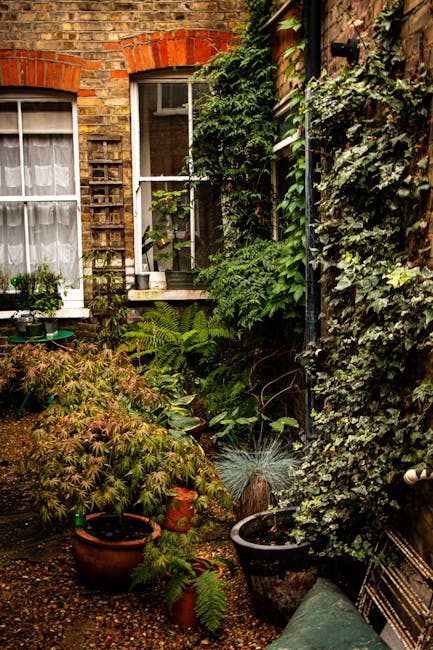
Terraced homes in and around Westbourne Grove often come with a mix of charm and constraint. You may have a front garden that is only a few metres deep, a rear courtyard that gets either full shade or full afternoon heat, and hard landscaping that has aged in layers over time. That is exactly why specialist gardeners matter here. They are not simply keeping things tidy; they are reading the space properly.
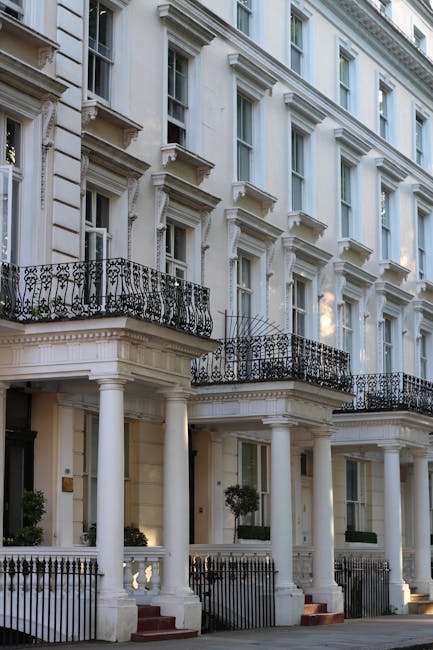
Period terraces usually need a softer, more restrained approach than new-build gardens. Strong lines still matter, but so does balance. A Victorian or Edwardian frontage, for example, can look awkward if the planting is too fussy or the materials feel too modern. The right gardener understands proportion, sightlines, and how to keep the front of a house feeling elegant from the pavement. To be fair, that first impression does a lot of heavy lifting.
There is also the practical side. London terraces face dust, dry shade, narrow access, air pollution, root competition from neighbouring gardens, and the occasional neighbour's boundary dispute. None of that is dramatic in itself, but it does mean a gardener needs a more considered method. The wrong plant in the wrong place can look tired in a few weeks, then suddenly very tired indeed. The right plant, though, can make a small space feel calm and expensive without shouting about it.
Expert takeaway: For period terraces, the best gardening is rarely about doing more. It is about choosing the right interventions, at the right scale, and letting the architecture stay in charge.
If your terrace also needs a little extra structure, you may find it helpful to look at hard landscaping and garden structure alongside planting. That combination often gives the most lasting result.
How Westbourne Grove gardeners for period terraces Works
Good gardening for period terraces usually starts with a site visit and a straightforward conversation. A skilled gardener will want to know how you use the space, what the light is doing through the day, whether you want privacy, and how much maintenance you are realistically prepared to keep up with. Honest answers help. A lot.
Then comes the assessment. In a terrace garden, the usual checks include soil condition, drainage, access, wall shade, fence condition, existing tree roots, and any awkward level changes. These details sound minor, but they shape every decision that follows. A planter that sits beautifully on a drawing may be a nuisance if it blocks a narrow path or needs constant watering in a south-facing courtyard.
From there, the work tends to fall into three broad phases:
- Clear and understand - remove clutter, prune back overgrowth, identify what is worth saving, and note the constraints.
- Shape and improve - define edges, repair or refresh surfaces, improve soil, and decide which plants or features should stay.
- Maintain and refine - regular pruning, deadheading, feeding, seasonal swaps, and small adjustments that keep the garden composed rather than chaotic.
In practice, that might mean reshaping a front border to allow the bay window to breathe, training climbers along a brick wall, or replacing thirsty bedding plants with something more forgiving. Nothing flashy. Just the kind of work that makes the garden easier to live with.
For ongoing care, many homeowners prefer a reliable schedule rather than a one-off rescue. If that sounds like you, the local gardening services page is a useful place to understand how maintenance can be structured through the year.
Key Benefits and Practical Advantages
When terrace gardening is done well, the benefits are immediate and, honestly, a bit satisfying. The space feels calmer. The front of the house looks looked after. The garden stops asking awkward questions every weekend.
Here are the main advantages homeowners usually notice:
- Better kerb appeal - a tidy, well-planted terrace can transform how the whole property reads from the street.
- Smarter use of compact space - vertical planting, narrow borders, and tailored layouts make small gardens work harder.
- Lower maintenance over time - the right plant choices reduce constant replanting and patchy results.
- More privacy - screened seating areas, climbers, and layered planting help soften overlooking issues.
- Protection for period character - materials and planting that suit the house feel more authentic and age better.
- Seasonal interest - thoughtful planting keeps a terrace interesting in winter as well as summer, which is often overlooked.
There is also a quieter benefit. A well-tended terrace can make the whole home feel easier to inhabit. You notice it at the end of the day, when the light shifts and the back garden is still holding its shape. A clipped hedge, a terracotta pot with herbs, the smell of damp soil after rain - small things, but they add up.
Who This Is For and When It Makes Sense
This kind of service is ideal if you own or manage a period terrace and want the garden to feel appropriate to the building rather than detached from it. That includes Georgian, Victorian, Edwardian, and later heritage-style terraces where proportion and restraint matter.
It makes sense if you are:
- preparing to sell and want the exterior to feel cared for
- moving into a property with an overgrown or neglected garden
- trying to reduce maintenance without making the space bare
- looking to replant a border that has become patchy or unbalanced
- planning a small redesign around outdoor seating, access, or privacy
- wanting year-round structure rather than just summer colour
It is also useful if you simply do not want to be out there every Saturday morning doing battle with bindweed, self-seeded brambles, and a hedge that seems to have opinions. Lets face it, some gardens become part-time jobs if nobody steps in.
For landlords and managing agents, the logic is slightly different but still straightforward: regular care protects appearance, reduces complaints, and helps keep the property presentable. If you need more than plant care, external cleaning support can sometimes be part of the wider maintenance picture for terrace homes and their front approaches.
Step-by-Step Guidance
If you are deciding how to approach a terrace garden, a sensible process keeps the project grounded. Here is a practical sequence that works well in real homes.
1. Start with the architecture, not the plants
Look at the house first. Are the windows tall and narrow? Is the brickwork warm or pale? Does the terrace feel formal or relaxed? These details should shape the garden style. For example, a crisp front boundary and symmetrical planting often suit a classical facade, while a softer, layered approach may work better for a later period home.
2. Fix the obvious problems first
Before buying anything new, deal with drainage, access, broken edging, tired soil, and any overgrown shrubs that are swallowing light. It is tempting to start with flowers. Fair enough. But if the foundation is wrong, the garden will keep drifting back into disorder.
3. Decide what role the space needs to play
Some terraces are purely decorative from the street. Others are meant for family meals, morning coffee, or a quiet chair in the afternoon. You do not need every garden to do everything. In fact, trying to force too many functions into a narrow terrace often makes it feel cramped.
4. Choose plants for the conditions you actually have
Shade, wind, reflected heat, root competition, and limited soil depth all matter. A good gardener will suggest plants that can handle the site rather than fighting it. That might mean evergreen structure, shade-tolerant perennials, climbers, or restrained pots that can be repositioned as the light changes.
5. Build in maintenance from the beginning
There is a world of difference between a garden that looks lovely in May and one that still works in November. Choose planting that can be maintained in the time you actually have. A sensible routine is usually better than an ambitious scheme that needs constant rescue.
6. Review seasonally
Terrace gardens evolve. What looked sparse in spring may feel crowded by midsummer. Good gardeners prune, lift, divide, re-space, and refresh as the seasons change. That ongoing judgement is where the real value lies.
If your project includes larger redesign work, take a look at landscaping options to see how planting and structure can be planned together rather than in isolation.
Expert Tips for Better Results
A few small decisions make a disproportionate difference in period terrace gardens. These are the details experienced gardeners tend to notice first.
- Keep the palette disciplined. Too many materials or too many flower colours can make a small garden feel busier than it should.
- Use repetition. Repeating a plant or pot style gives a terrace calm, especially where the view from the street is short and direct.
- Think vertically. Narrow spaces benefit from climbing plants, trellis, wall training, and layered height.
- Plan for winter structure. Evergreen shrubs, ornamental grasses, and clipped forms help the garden stay presentable when perennials have faded.
- Mind the thresholds. Steps, gates, railings, and front paths matter more than people think. If those are neglected, the whole garden feels less cared for.
- Water with intent. In containers and sheltered courtyards, it is easy to either overwater or miss the point entirely. Consistency beats heroics.
One useful habit is to stand at the edge of the garden and look back at the house. Does the planting frame the terrace, or does it obscure it? That single question often saves a lot of second-guessing later.
And yes, sometimes the best design move is removing something rather than adding another plant. Slightly boring answer, but true.
Common Mistakes to Avoid
Period terrace gardens are forgiving in some ways, but not when they are overloaded, under-maintained, or planted without a plan. The common mistakes are pretty predictable, which means they are avoidable if you know what to watch for.
- Choosing plants for a magazine look rather than the site conditions. A beautiful plant that hates shade or drying winds will always end up looking a bit sorry.
- Ignoring mature size. Small shrubs do not stay small forever. In a narrow terrace, that matters more than you might think.
- Overfilling pots and borders. A crowded terrace can feel strangely anxious. A little breathing room helps.
- Forgetting the frontage. The front garden and the back garden should not feel like separate planets.
- Skipping soil improvement. In London gardens, compacted or depleted soil is common. Planting into poor ground and hoping for the best is, frankly, a bit optimistic.
- Making maintenance too complicated. If the routine is too fiddly, it will not survive a busy week.
Another subtle problem is using too many different pots, finishes, or edging styles. A terrace garden can very quickly look collected rather than composed. That might sound like a small thing. It is not. The eye notices repetition and consistency before it notices plant names.
Tools, Resources and Recommendations
You do not need a shed full of specialist kit to care for a period terrace properly, but a few well-chosen tools make maintenance easier and neater.
| Need | Useful tools or resources | Why it helps |
|---|---|---|
| Regular pruning | Sharp secateurs, loppers, hand saw | Clean cuts protect shrubs and keep the garden tidy |
| Small-space planting | Quality compost, slow-release feed, pots with drainage | Supports healthy roots in restricted soil volumes |
| Border definition | Hand trowel, edging tool, gravel or brick edging | Helps period gardens look crisp and intentional |
| Climber support | Trellis, wires, canes, soft ties | Guides growth without damaging walls |
| Ongoing care | Seasonal maintenance plan, inspection routine, planting notes | Makes the garden easier to manage long term |
For homeowners who want help keeping things under control, a mix of maintenance and occasional improvement work often gives the best result. You can also explore cleaning and exterior care if paths, steps, or front approaches are part of the issue, because the entrance sets the tone before anyone even reaches the door.
Practical tip: keep a simple note of what was planted where. It sounds a bit nerdy, but when a plant fails, dies back, or outgrows its space, that record saves time and guesswork the following season.
Law, Compliance, Standards, or Best Practice
Most terrace gardening work is straightforward, but a few best-practice points are worth keeping in mind. If your property is leasehold, in a conservation area, or part of a listed building setting, changes to visible fronts, boundary treatments, or hard landscaping may need extra care and possibly permission. The exact requirements vary, so it is sensible to check before making visible alterations. No one wants to finish a neat project and then discover it should have been handled differently.
For everyday maintenance, good practice usually includes the following:
- avoiding damage to party walls, fences, or shared boundaries
- not allowing climbing plants to block windows, drains, or access routes
- keeping paths and steps clear to reduce trip hazards
- managing waste responsibly after pruning or clearance
- using materials and fixings that suit older brickwork and masonry
Where trees are involved, especially near terraces, root spread and canopy growth need careful judgement. It is usually better to prune modestly and regularly than to make a hard cut that creates more problems later. If in doubt, a gardener with local experience will be used to working around tight access, neighbours, and the quirks of older urban plots.
One more thing: if the work affects shared access or scaffolding, a little coordination with neighbours can save a lot of friction. Not glamorous, but useful.
Options, Methods, or Comparison Table
Different terrace gardens need different levels of input. The right choice depends on budget, time, and how much change you actually want. Here is a simple comparison that may help.
| Approach | Best for | Strengths | Limitations |
|---|---|---|---|
| Routine maintenance | Established terraces needing regular care | Predictable, tidy, cost-aware | Limited design change |
| Seasonal refresh | Gardens that need better colour or structure | Good balance of impact and practicality | May not solve layout issues |
| Planting redesign | Patchy, tired, or badly matched planting schemes | Transforms the look and feel | Needs more planning and upfront spend |
| Full landscaping | Terraces needing layout, drainage, or hardscape changes | Most comprehensive result | More disruption and coordination required |
In many Westbourne Grove homes, the sweet spot is not a full overhaul. It is often a careful combination: tidy the structure, improve the planting, then keep it moving through the seasons. That tends to feel authentic and manageable.
Case Study or Real-World Example
A typical example is a narrow period terrace with a small front garden, a shaded rear courtyard, and a couple of mature shrubs that have become much too enthusiastic. The frontage feels cluttered from the street, while the back space is technically usable but never quite inviting.
In a situation like that, the best first move is usually not to rip everything out. A good gardener would likely:
- prune back oversized shrubs to restore proportion
- clear self-seeded growth and lift anything blocking the path
- refresh the soil in key planting areas
- introduce a restrained planting palette for shade or partial shade
- add one or two structural features, such as trellis or matching pots
- set a maintenance rhythm so the space does not slide back into chaos
What usually changes most is not the size of the garden, but the feeling. The terrace becomes calmer. The front looks better in the morning light. The rear courtyard, which may have been a bit of an afterthought, starts to feel like a place you would actually sit with a coffee on a mild spring day.
That is the real win. Not perfection. Just a space that works, and keeps working.
Practical Checklist
Use this checklist if you are planning work on a period terrace garden in Westbourne Grove or comparing gardeners.
- Do they understand period architecture and how to keep planting in scale?
- Have they assessed light, shade, drainage, and access properly?
- Can they explain what should stay, what should go, and why?
- Do they recommend plants that suit London conditions rather than just looking good in a photo?
- Have they considered front garden presentation as well as the back space?
- Is there a realistic maintenance plan after the initial work?
- Will the garden still look good in winter, not just in peak summer?
- Have they discussed any conservation, leasehold, or boundary considerations where relevant?
- Do they keep the design simple enough to maintain?
- Do you feel confident they are listening to how you use the space?
Practical summary: The best terrace garden work respects the house, suits the site, and stays maintainable. If those three things line up, you are in good shape.
Get a free quote today and see how much you can save.
Conclusion
Westbourne Grove gardens work best when they are treated with a light but knowledgeable hand. Period terraces do not need overdesign. They need proportion, good judgement, and maintenance that fits real life in London. When that balance is right, the garden stops being a worry and starts feeling like part of the home again.
If you are weighing up your options, focus less on quick visual impact and more on whether the garden will still feel calm, tidy, and true to the house six months from now. That is usually the difference between a nice-looking job and a genuinely good one.
And if you get it right, there is a very particular pleasure to it: a quiet front garden in the late afternoon, brick warm in the light, leaves moving a little in the breeze, and everything just sitting where it should. Simple. But lovely.
Frequently Asked Questions
What makes Westbourne Grove gardeners for period terraces different from general gardeners?
They should understand the proportions, materials, and planting style that suit older terraces. Period homes often need more restraint, better structure, and more careful plant selection than a standard suburban garden.
Do period terraces need low-maintenance planting?
Often, yes. Small urban gardens usually benefit from planting that can cope with shade, reflected heat, and limited soil. Low-maintenance does not mean dull, though. It just means better chosen.
Can a small terrace garden still look elegant?
Absolutely. In fact, some of the most elegant gardens are compact ones. Repetition, good proportions, and a clear planting scheme often make a small space feel more refined than a larger but cluttered garden.
How often should a terrace garden be maintained?
It depends on the planting and use of the space, but many terrace gardens benefit from seasonal visits with lighter monthly or bi-monthly attention during growing periods. The key is consistency rather than big rescue jobs.
What are the best plants for shaded period terraces?
That depends on soil, aspect, and how dry the shade is. A good gardener will usually look for shade-tolerant, structure-friendly plants that can handle urban conditions without needing constant replacement.
Is hard landscaping always necessary?
No. Sometimes the garden mainly needs planting, pruning, and better maintenance. But if paths, edges, drainage, or level changes are causing problems, hard landscaping can make a terrace much easier to use.
How do I know if my garden needs redesign or just maintenance?
If the garden is healthy and generally well laid out but messy, maintenance may be enough. If the space feels awkward, overgrown, or constantly disappointing, a redesign may be the better choice.
Will gardeners work around leasehold or conservation-area concerns?
They should always be cautious where those issues may apply. Visible changes, boundary works, and alterations to older properties may need extra care, so it is wise to discuss this before any major work starts.
Can gardeners help with front gardens as well as rear terraces?
Yes, and they should. In period terraces, the front garden often carries a lot of visual weight from the street, so it deserves as much attention as the back.
What should I ask before hiring a gardener for a period terrace?
Ask how they would approach the site, what they would keep or remove, how they handle maintenance, and whether they have experience with compact urban gardens. Clear answers usually tell you a lot.
How can I keep a terrace garden looking good through winter?
Focus on evergreen structure, tidy boundaries, and plants that still have shape after flowering ends. Winter interest is often about silhouette, texture, and keeping the whole space disciplined.
Are there local services that can support the garden beyond planting?
Yes. Depending on the condition of the property, you may want help with maintenance, hard landscaping, or exterior cleaning. A terrace often looks better when those elements are coordinated rather than treated separately.