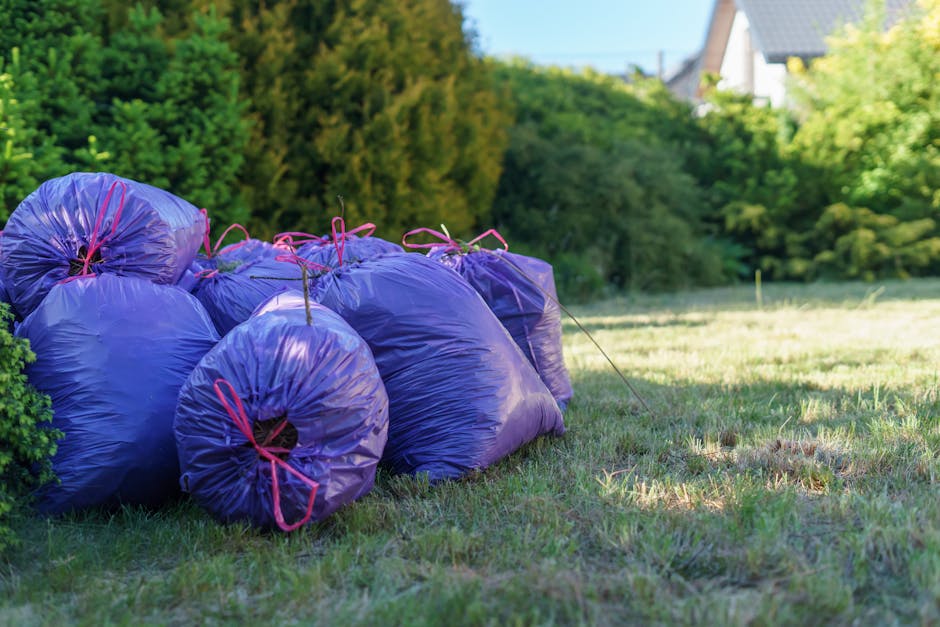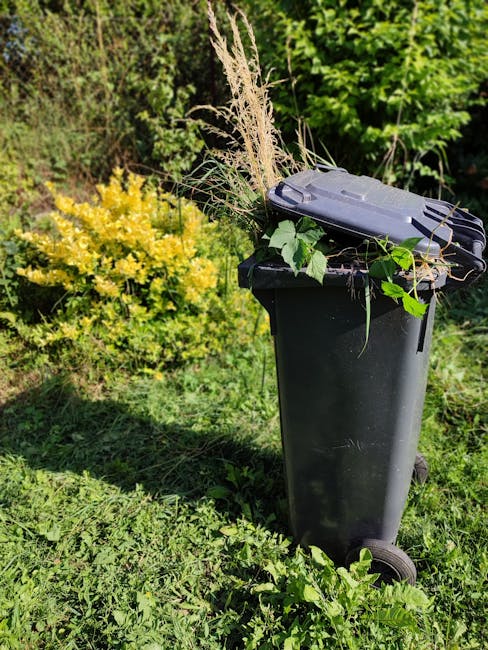
Kensington and Chelsea council charges for garden waste disposal: a practical guide for homeowners and tenants
If you are trying to work out Kensington and Chelsea council charges for garden waste disposal, you are probably dealing with a very ordinary but slightly annoying job: bags of hedge cuttings, lawn clippings, branches, or a full garden clear-up that is starting to spill into the week. The pricing can feel confusing at first, especially if you are comparing council collection, private removal, or simply trying to decide whether you can handle it yourself. This guide breaks it down in plain English so you can understand what tends to be charged, what affects the price, and when another option may make more sense.
Truth be told, garden waste is one of those jobs that looks small until it is right there in front of you. A tidy border, a weekend of pruning, and suddenly there is more green waste than your car can comfortably swallow. Let's make the decision a little easier.
Why Kensington and Chelsea council charges for garden waste disposal Matters
Garden waste disposal is not just a housekeeping issue. In a borough like Kensington and Chelsea, space is tight, access can be awkward, and even a small amount of cuttings can create clutter fast. That matters because the way you remove waste affects the time it takes, the effort involved, and the final cost.
For many people, the first real question is not "how do I get rid of this?" but "how much should I expect to pay?" And that is fair. Garden waste fees are often shaped by collection method, volume, booking rules, and whether the waste is loose, bagged, or mixed with soil, rubble, or general junk.
Understanding the charges helps you avoid two common problems. First, paying more than necessary. Second, booking the wrong service and discovering, usually on a damp Monday morning, that the waste is not accepted in the way you expected. Nobody wants that sort of surprise.
If your garden needs more than a simple tidy-up, it may also help to compare disposal with a broader service such as garden clearance or regular garden maintenance, especially if the work is part of a bigger seasonal reset.
Expert summary: The real cost of disposing of garden waste is not only the fee itself. It is the time, access, volume, and sorting required to get the waste accepted without delays or extra charges.
How Kensington and Chelsea council charges for garden waste disposal Works
Most council garden waste systems follow a similar structure, even though the exact details can differ. You usually need to arrange collection, separate your green waste from other materials, and place it out in the correct way on the right day. Charges are often based on a subscription, a one-off collection, or a special uplift arrangement, depending on what the local service offers at the time.
Here is the practical version: if your waste is mostly plant material, such as grass cuttings, leaves, hedge trimmings, weeds, and small branches, it is more likely to be treated as garden waste. If it includes soil, stones, plastic pots, timber, broken fencing, or old decking offcuts, it may no longer qualify as straightforward green waste. That is where costs can rise, because the waste may need a different disposal route.
In real life, the charge often reflects the administrative side as much as the physical removal. Someone has to collect, sort, transport, and process it. It sounds dull. It is dull. But it is also why the price can move around more than people expect.
If you are planning landscaping work, tree pruning, or a bigger tidy-up, the volume can change very quickly. A single afternoon of pruning one hedge can produce light bags of trimmings, while a full renovation can create a lorry-load of material. That is why services like hedge trimming or tree lopping and removal are often best planned with disposal in mind from the start.
What usually affects the charge
- Volume: more bags, more bundles, or more cubic space generally means a higher fee.
- Weight: heavy waste such as wet cuttings, roots, or soil can cost more to move.
- Type of waste: pure green waste is easier to process than mixed garden debris.
- Access: narrow frontages, basement gardens, stairs, or long carries can increase labour time.
- Collection method: wheeled bins, sacks, skip-style containers, or manual loading all work differently.
- Urgency: same-day or short-notice removal may cost more than a planned booking.
So if you are asking, "why does the price vary so much?", that is usually the answer. Not glamorous, but useful.
Key Benefits and Practical Advantages
Paying for proper garden waste disposal can save more than money in the long run. That sounds a bit counter-intuitive, but it is true. A service that handles collection properly can reduce mess, save time, and stop waste from sitting around for days while you try to find a second solution.
- Cleaner outdoor space: no bags piling up on the drive or patio.
- Less handling: fewer trips in and out with heavy sacks.
- Better compliance: easier to follow council rules and disposal standards.
- Reduced strain: useful if you do not want to carry awkward loads yourself.
- Faster project turnaround: especially after pruning, planting, or a seasonal clear-up.
There is also a subtle quality benefit. When waste is removed promptly, the garden looks finished. You can actually see the difference in the light, especially on a grey London afternoon when the last thing you want is a heap of cuttings sitting by the gate.
If you are trying to improve the whole garden rather than just remove the debris, services such as lawn mowing and landscaping can pair well with waste removal so the space feels genuinely reset, not half-done.
Who This Is For and When It Makes Sense
This topic matters for a wide range of people. Some are homeowners dealing with the aftermath of spring pruning. Others are tenants trying to leave a garden tidy at the end of a tenancy. Landlords, letting agents, and property managers also run into it, especially when a garden has been left overgrown for a while.
It often makes sense to look at council charges or alternative disposal options when:
- you have trimmed hedges, shrubs, or small trees
- you have cut grass after a long period of growth
- you are clearing a garden before a sale or letting
- you have too much waste for household bins
- you want the garden cleared quickly and neatly
- you need help with regular seasonal upkeep
For a modest amount of waste, a council arrangement may be fine. For a larger or mixed load, a specialist service can be more practical. That is especially true if the job is tied to a broader maintenance plan. Many people combine disposal with lawn mowing, shrub pruning, and a tidy-up of edges and borders. Simple. Less stress.
One small but important point: if the waste has been sitting wet for days, it becomes heavier. Wet clippings can surprise people. A bag that felt easy yesterday can be awkward today. London weather has a way of doing that.
Step-by-Step Guidance
If you want to approach garden waste disposal without wasting time, use a straightforward process. This keeps the job tidy and helps you compare whether council charges or private removal is the better fit.
- Separate your waste. Keep green waste apart from soil, rubble, plastic, timber, and general household rubbish.
- Estimate the amount. Count bags, bundles, or piles. Rough volume matters more than people think.
- Check access. Look at gates, side returns, stairs, parking, and carrying distance.
- Decide on urgency. If you need it gone before a viewing, garden party, or tenancy handover, timing matters.
- Choose a disposal route. Council collection, private clearance, or a garden maintenance visit may suit different needs.
- Prepare the waste properly. Tie branches, bag loose material, and avoid mixing in prohibited items.
- Confirm what is included. Ask whether labour, loading, transport, and disposal are part of the price.
If you are unsure how much work is involved, a broader service like garden clearance can often be a better comparison point than disposal alone, because it covers the physical lifting and the clean finish too.
And if the job has started to snowball, which happens more often than people admit, take a breath and split it into sections. Front garden first, then the back, then the awkward little patch round the side. It keeps the job manageable.
Expert Tips for Better Results
Here is where a little experience saves you money and hassle.
- Keep waste as dry as possible. Dry clippings are lighter and usually easier to handle.
- Bundle branches neatly. Loose, sprawling branches slow everything down.
- Do not mix waste types. Mixed loads often become more expensive or harder to book.
- Book after the main cutting work. That way, you are not paying to move the same pile twice.
- Take a quick photo of the pile. Useful for comparing quotes and avoiding misunderstandings.
- Plan for access on collection day. Move cars, open gates, and clear the route.
Another practical tip: if you are doing a full seasonal tidy, schedule disposal after hedge trimming and mowing, not before. That sounds obvious, but people forget. They clear the pile, then cut more grass, then wonder why the bins are suddenly full again. Very common.
If you care about where the waste ends up, it may be worth reviewing a provider's recycling and sustainability approach, especially if you want green waste handled in a more responsible way.
Common Mistakes to Avoid
The most expensive mistakes are often the boring ones.
- Assuming all garden waste is accepted. Soil, treated wood, and mixed rubbish can be a problem.
- Overfilling sacks. Heavy bags are difficult to move and can split at the worst moment.
- Leaving waste at the kerb without checking rules. That can lead to delays or rejection.
- Ignoring access issues. A quote can change if the collection team has to carry waste a long way.
- Forgetting about hidden waste. Old compost, roots, and wet undergrowth weigh far more than they look.
- Choosing the cheapest option without checking what is included. Sometimes the low headline price is missing labour or disposal fees.
There is also a softer mistake: trying to do too much in one go. You do not need to prove anything by emptying the whole garden in a single afternoon. Break the task into pieces. Your back will thank you, honestly.
Tools, Resources and Recommendations
You do not need a massive toolkit to manage garden waste well, but a few sensible items make a noticeable difference.
- Heavy-duty garden sacks: better than thin bags that tear on twigs.
- Rake and secateurs: for tidying loose clippings and cutting branches into manageable lengths.
- Tarpaulin: useful for moving material across the garden or keeping a pile contained.
- Gloves: especially for thorny hedge cuttings or rough roots.
- Wheelbarrow or garden trolley: helpful if the access is awkward.
- Measuring tape or rough volume estimate: useful when comparing disposal quotes.
If you are planning a broader garden project, it can be efficient to combine waste removal with other tasks such as garden maintenance or landscape gardening. That way, the garden does not just get emptied; it actually moves forward.
For service comparison and budgeting, the pricing and quotes page can be a useful place to understand how a provider structures work, especially if you are weighing up labour against disposal-only options.
Law, Compliance, Standards, or Best Practice
Garden waste disposal in the UK is not only about convenience. There are also practical compliance considerations. Waste should be handled responsibly, and mixed or contaminated material should not be presented as clean green waste. In plain terms: keep your garden waste separate, and do not quietly blend in items that belong in another disposal stream.
Best practice usually means three things:
- Correct sorting: separate green waste from non-green materials.
- Safe handling: avoid creating hazards on pavements, driveways, or shared access ways.
- Clear understanding of service terms: know what will and will not be collected.
For landlords and managing agents, keeping disposal records and using a reliable service can be helpful from a duty-of-care perspective, even when the formal requirements are fairly straightforward. The bigger issue is often reputation and common sense. A tidy garden suggests a property is looked after; a blocked pavement full of cuttings does not.
If you are commissioning work that includes pruning, cutting, or removal of larger vegetation, it is sensible to check that the contractor follows appropriate safety and insurance practices. A quick review of insurance and safety information can give peace of mind before anyone starts lifting heavy waste through a narrow side passage.
Options, Methods, or Comparison Table
There is no single right answer for everyone. The best disposal route depends on the amount of waste, how quickly you need it removed, and whether you want help with the garden itself.
| Option | Best for | Strengths | Limitations |
|---|---|---|---|
| Council garden waste collection | Small to moderate amounts of clean green waste | Familiar process, suitable for routine tidy-ups | May have booking rules, limits, or restricted materials |
| Private garden waste removal | Mixed volumes, tight deadlines, awkward access | Flexible, faster for bigger jobs | Usually costs more than a basic council collection |
| DIY trips to a disposal point | People with a suitable vehicle and time | Direct control over timing | Labour, fuel, lifting, and multiple journeys can be tiring |
| Full garden clearance | Overgrown, cluttered, or pre-sale gardens | Most efficient for larger projects | Not just disposal; may cost more upfront |
In practice, the cheapest option on paper is not always the cheapest overall. If you need three journeys, help lifting heavy bags, or a clean finish before visitors arrive, the "budget" route can end up feeling oddly expensive.
Case Study or Real-World Example
Imagine a typical Kensington flat with a small rear garden. After an early-summer pruning session, there are hedge trimmings, a pile of grass cuttings, and a few heavier branches from an old shrub that finally got cut back. On paper, it does not sound huge. In reality, the pile takes up more space than expected, and the access is narrow.
The homeowner first considers doing everything through council collection. Sensible enough. But after weighing the waste, checking the mix of materials, and looking at the awkward carry through the side return, they realise the job is no longer just "garden waste disposal". It has become a small clearance project.
They choose a broader service instead, combine the removal with a simple tidy-up, and finish the job in one visit. The result is not just fewer bags. The patio is usable again, the fence line is visible, and the whole place feels calmer. You know that moment when the garden suddenly breathes a bit? That.
In a situation like that, a service page such as garden clearance is often more relevant than a disposal-only mindset, because the real job is to restore order, not just move waste from A to B.
Practical Checklist
Use this quick checklist before you book or arrange removal.
- Have I separated green waste from other materials?
- Do I know roughly how much waste there is?
- Is the waste dry, bagged, or bundled neatly?
- Are there heavy items such as roots, soil, or wet clippings?
- Is access clear for collection?
- Do I need help with pruning, mowing, or wider garden tidy-up work?
- Have I checked whether I want council collection or a private alternative?
- Do I understand the full cost, including labour if relevant?
- Have I considered timing, especially if there is a deadline?
- Would a maintenance plan make more sense than a one-off collection?
If you can tick most of those boxes, you are in good shape. If not, no problem. Sort the load first and the decision gets easier, much easier.
Conclusion
Working out Kensington and Chelsea council charges for garden waste disposal is really about understanding the size of the job, the type of waste, and how much effort you want to take on yourself. For light, clean green waste, a council route may be perfectly suitable. For larger, mixed, or awkward collections, a more flexible removal or clearance option can save time and reduce stress.
The smartest approach is to sort early, estimate honestly, and choose the method that fits the real job rather than the idealised version of it. That way, you avoid surprises and keep the garden project moving.
Get a free quote today and see how much you can save.
And if the pile looks a bit bigger than you expected, that is fine. It happens all the time. One good decision now can make the rest of the week feel lighter.
Frequently Asked Questions
How much do Kensington and Chelsea council charges for garden waste disposal usually cost?
The cost can vary depending on collection type, volume, and whether the waste is clean green waste or mixed with other materials. It is best to check the current service details before booking, because council arrangements can change.
What counts as garden waste?
Typical garden waste includes grass cuttings, hedge trimmings, leaves, weeds, small branches, and plant material. Soil, rubble, plastics, treated timber, and broken garden furniture usually do not count as standard green waste.
Can I put garden waste in normal household bins?
Small amounts may fit, but garden waste often fills bins very quickly. Overfilling can cause problems, so a dedicated collection or removal route is usually better for anything beyond a light tidy-up.
Is council collection cheaper than private removal?
Not always, and not always in the way people expect. Council collection can be cheaper for simple, small volumes. Private removal may offer better value if you have a larger load, difficult access, or need labour included.
Do wet hedge cuttings or grass clippings cost more to dispose of?
They can, indirectly. Wet waste is heavier, harder to handle, and may increase the practical cost of collection or removal. Drying the waste slightly before booking can help.
What if my garden waste includes soil or roots?
Soil and roots often make disposal more complicated because they are heavier and may not be accepted in the same way as light green waste. It is worth clarifying this before collection day.
Can I combine garden waste disposal with hedge trimming or mowing?
Yes, and that is often the sensible thing to do. Combining disposal with tasks like hedge trimming or lawn mowing can reduce double-handling and leave the garden looking properly finished.
What is the difference between garden clearance and garden waste disposal?
Garden waste disposal is just the removal of waste. Garden clearance is broader and usually includes collecting, lifting, loading, and clearing a wider area of unwanted material. For bigger jobs, clearance is often the better fit.
How do I estimate how much waste I have?
Count the bags, measure the pile roughly, and note whether it is light or heavy. A photo can help too. Even a rough estimate is useful when comparing options or requesting a quote.
What should I do before the collection team arrives?
Make access clear, separate the waste types, and keep bags or bundles in one place. If cars, bins, or planters block the route, move them first. It saves time and keeps the job straightforward.
Is garden waste disposal different for landlords or managed properties?
The basics are the same, but landlords and managing agents often need a more consistent, documented approach. For recurring maintenance, it can be better to set up a regular plan rather than deal with one-off clearances each time.
What is the best option for a large overgrown garden?
For a large or overgrown space, full garden clearance is usually more practical than disposal alone. It handles both the mess and the lifting, which is often what people really need when a garden has got away from them a bit.
If you want a fuller view of the services that can support a garden tidy-up, you can also explore services overview and see how disposal fits into the wider job. Small step, but a useful one.